Veszprém Crowned Club World Champions
Veszprém HC delivered an exceptional offensive performance to defeat FC Barcelona 42–33 and claim the IHF Men’s Club World Championship title.



Veszprém established control almost immediately. Barcelona scored the opening goal, but the Hungarian side responded with a dominant run, moving from 1–0 down to an 8–2 advantage inside the opening nine minutes. Barcelona attempted to reduce the deficit, with Timothey N’Guessan providing an important offensive contribution, but Veszprém consistently found solutions against the Spanish defence. Their ability to convert opportunities at a high rate prevented Barcelona from building enough momentum to close the gap. The difference remained significant throughout the first half. Veszprém continued to punish turnovers and missed opportunities, taking a 22–16 advantage into halftime. The second half brought no change in control. Barcelona tried to increase the pressure, but Veszprém maintained an exceptional level of offensive efficiency. Nedim Remili and Hugo Descat were particularly influential as the Hungarian side progressively extended the advantage. By the 43rd minute, Veszprém had moved 32–21 ahead. Barcelona continued to compete and reduced the deficit during the closing stages, but the outcome was already beyond their reach. Veszprém completed the final with 42 goals from 52 shots and an extraordinary 81% shooting efficiency, securing a 42–33 victory and the IHF Men’s Club World Championship title.
TEAM STATISTICS
FC BarcelonaVeszprem HCSHOOTING PROFILE.
FC BarcelonaSHOT MAP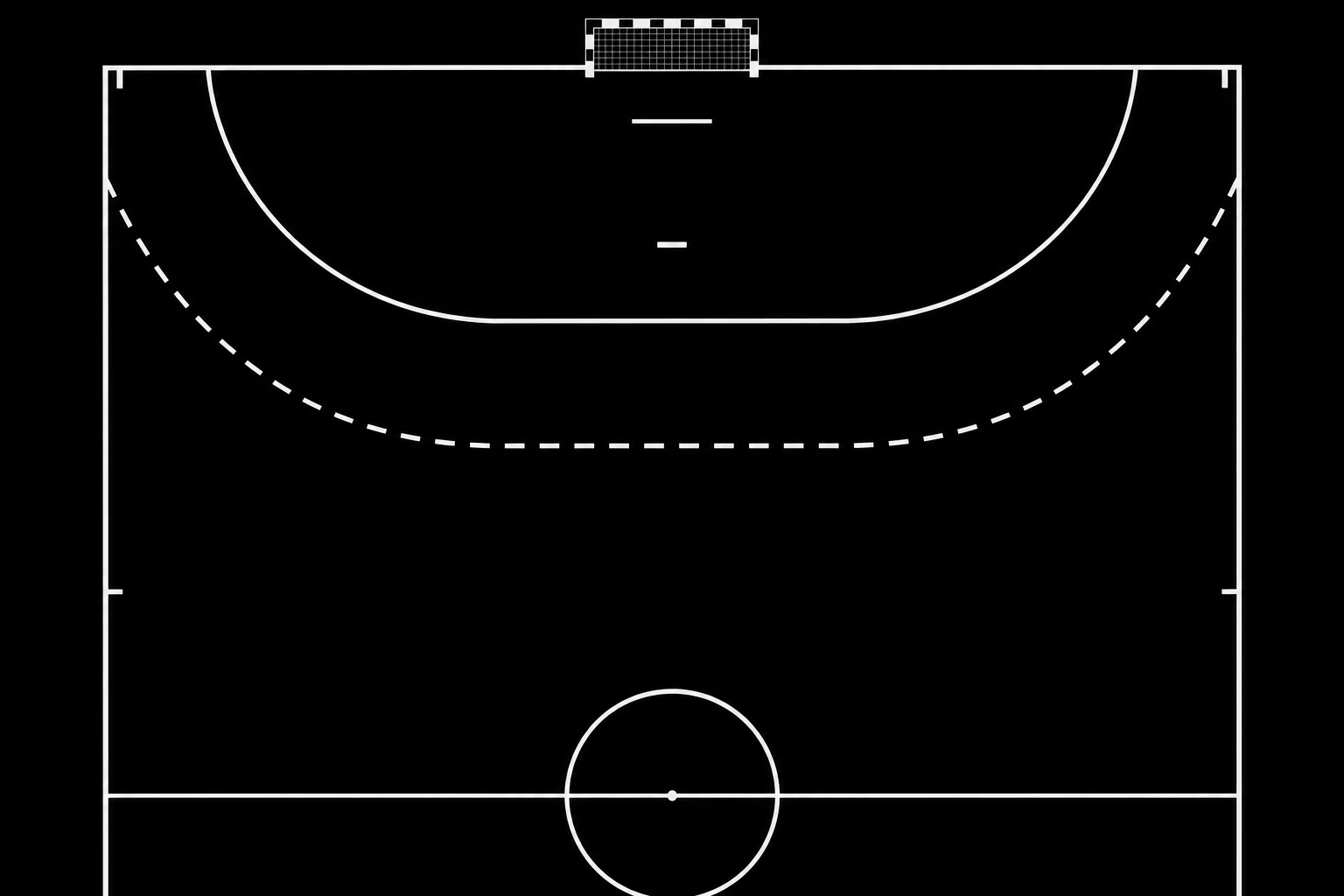
SHOOTING PROFILE
Veszprem HCSHOT MAPPLAYERS WHO SHAPED THE GAME.
Timothey N’Guessan led Barcelona offensively with nine goals from 13 attempts. Blaž Janc delivered a perfect shooting performance with four goals from four shots, while Ludovic Fabregas also converted all three of his attempts. For Veszprém, Hugo Descat produced an outstanding performance with 10 goals from 11 shots for 91% efficiency, including a perfect 3/3 from the seven-metre line. Nedim Remili combined scoring and creation, finishing with eight goals from nine attempts for 89% efficiency and adding four assists. Yanis Lenne contributed four goals from five shots, finishing with 80% efficiency.
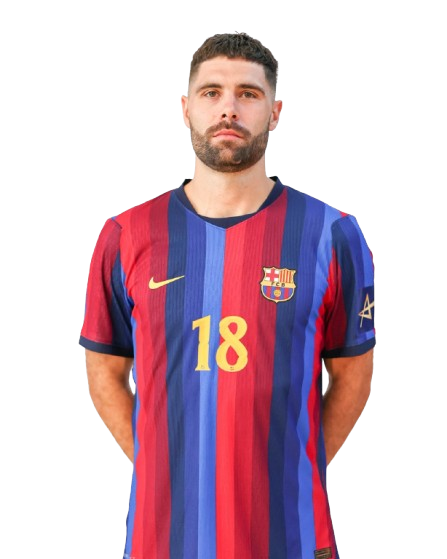

#18 JANC Blaz
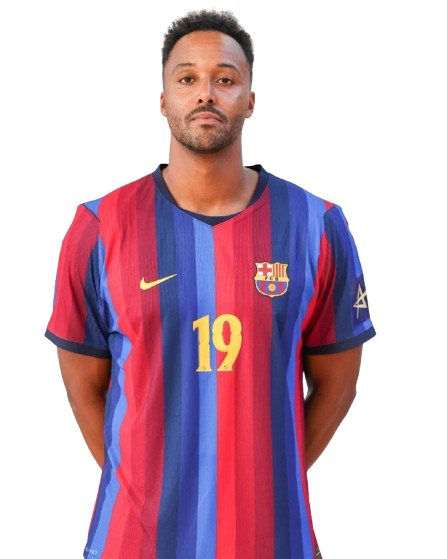

#19 N'GUESSAN Timothey
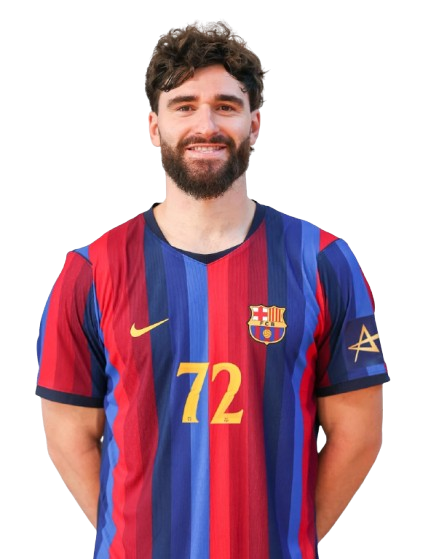

#72 FABREGAS Ludovic


#9 DESCAT Hugo


#29 REMILI Nedim


#32 LENNE Yanis
WHAT DECIDED THE GAME
Veszprém’s extraordinary shooting efficiency was the defining factor in the final. The Hungarian side converted 42 of their 52 attempts for 81%, compared with Barcelona’s 33 goals from 53 shots and 62%. The difference was visible across almost every attacking area. Veszprém were perfect on fast breaks with 7/7, converted 7/8 from six metres and scored 12/18 from nine metres. Barcelona, meanwhile, converted only 7/16 from nine metres and 4/8 from the seven-metre line. Goalkeeping further increased the difference. Veszprém finished with 13 saves and a 30% save rate, while Barcelona recorded eight saves at 17%. Veszprém did not simply create more opportunities; they converted them at an exceptional rate. Their early 8–2 advantage forced Barcelona to chase the game, and the combination of offensive efficiency, transition effectiveness and stronger goalkeeping prevented the Spanish side from producing a sustained comeback. In a final between two of European handball’s biggest teams, Veszprém’s ability to maintain an elite level of efficiency across the entire 60 minutes ultimately transformed an early advantage into a convincing 42–33 victory and the world title.