Efficiency Makes the Difference in Torrelavega
Bathco BM Torrelavega opened their EHF European League group phase with a dramatic 33–32 victory over HCB Karviná, surviving a late comeback after a match filled with momentum changes.



HCB Karviná made the stronger start in Torrelavega. The opening minutes were balanced, but the Czech side gradually began to find more consistency and moved from 6–6 to a 9–7 advantage. Karviná continued to control this phase of the game and extended the difference to 12–9 in the 19th minute. Torrelavega were struggling with turnovers, while the visitors were finding enough solutions to maintain their advantage. The direction of the first half then changed significantly. Torrelavega improved defensively and began to convert their opportunities more effectively. From 9–12, the Spanish side produced a 4–0 run to move 13–12 ahead. Karviná briefly levelled at 13–13, but Torrelavega maintained the momentum and finished the half strongly. Javier Muñoz converted from seven metres to make it 17–13 before Karviná scored the final goal of the period, sending the teams into halftime with Torrelavega leading 17–14. The hosts carried that momentum into the second half. Goals from Javier Muñoz and Andrés Moyano helped Torrelavega progressively extend the advantage, reaching 21–16 after 35 minutes — their biggest lead of the match. Karviná refused to allow the game to escape. Jonas Patzel became increasingly influential as the Czech side reduced the difference. Torrelavega moved 25–20 ahead, but Karviná responded again, cutting the deficit to 26–25 with just over 13 minutes remaining. At that point, the game was completely open again. Torrelavega managed the pressure well and rebuilt a three-goal advantage on several occasions. Javier Muñoz’s perfect performance from the seven-metre line remained an important source of security, while Andrés Moyano continued to find solutions from six metres. With less than two minutes remaining, Torrelavega led 33–30 and appeared to have done enough. Karviná had one final response. Jonas Patzel made it 33–31 before Vojtech Prašivka reduced the difference to 33–32 with 29 seconds remaining. Torrelavega failed to score on their final possession, but there was not enough time for Karviná to complete the comeback. After 60 minutes and several changes in momentum, Torrelavega held on for a 33–32 victory.
THE GAME, MOMENT BY MOMENT.
TEAM STATISTICS
Bathco Bm. TorrelavegaHCB KarvinaSHOOTING PROFILE.
Bathco Bm. TorrelavegaSHOT MAP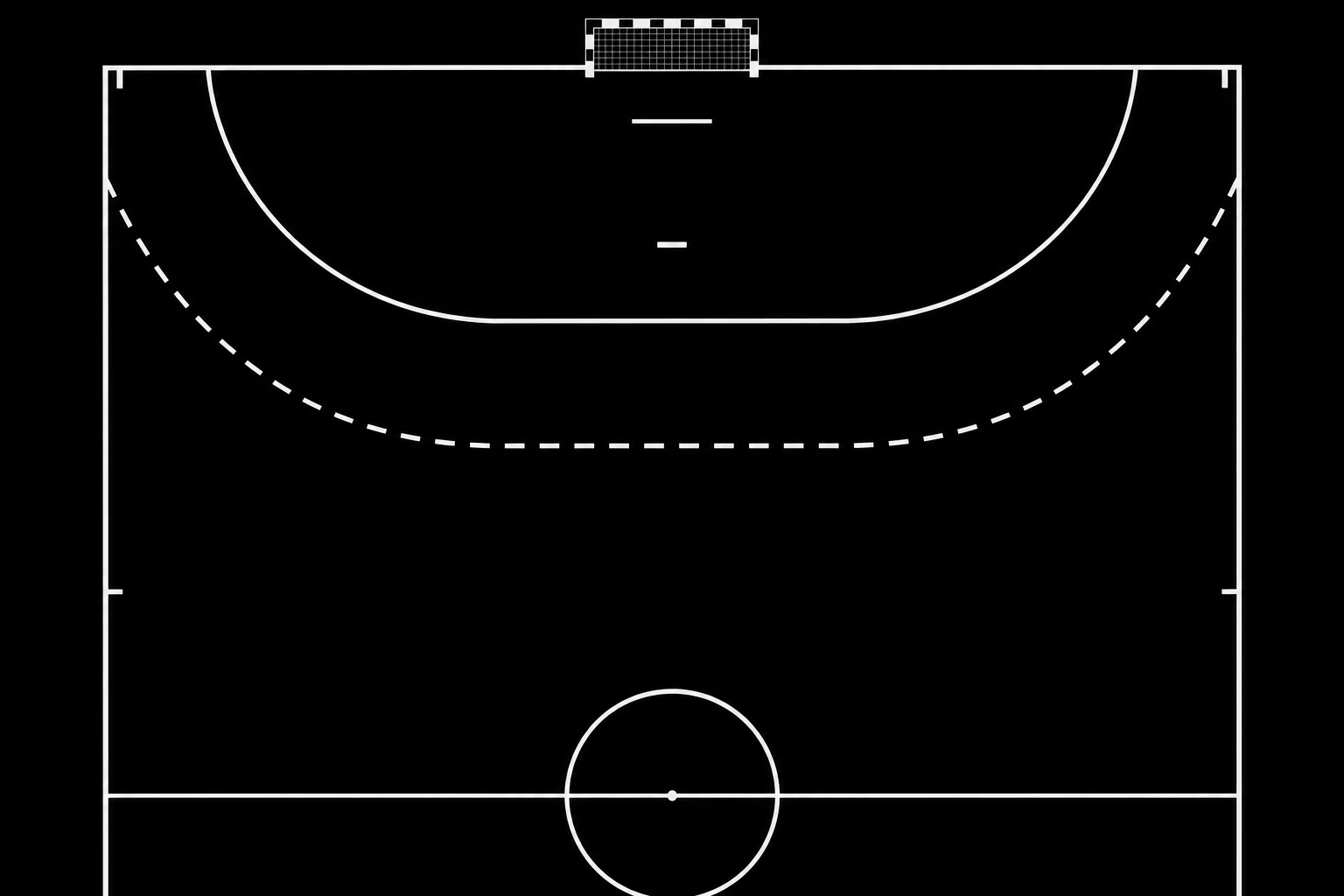
SHOOTING PROFILE
HCB KarvinaSHOT MAPPLAYERS WHO SHAPED THE GAME.
Javier Muñoz delivered a perfect offensive performance for Bathco BM Torrelavega, scoring seven goals from seven shots. He converted all five of his seven-metre attempts and also scored both of his opportunities from six metres. Andrés Moyano was another important offensive reference, finishing with six goals from eight attempts for 75% efficiency. Marcio Silva was flawless with three goals from three shots and also contributed two assists. Rangel Rosa recorded 10 saves from 33 shots for a 30% save rate. The goalkeeper also contributed offensively, scoring with his only attempt of the match. For HCB Karviná, Jonas Patzel led the attack with eight goals from 12 shots (67%) and added three assists. His contribution became particularly important during Karviná’s second-half comeback. Denis Harabiš finished with four goals from five attempts for 80% efficiency, including a perfect 3/3 from seven metres. Vojtech Prašivka added five goals from 11 shots and provided five assists, while also scoring the final goal that reduced the deficit to 33–32 in the closing seconds.
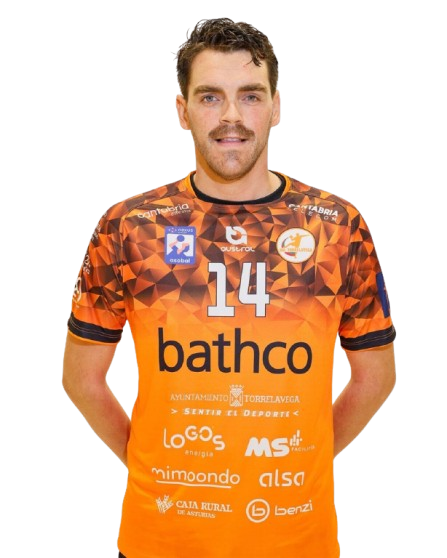

#14 MUÑÓZ Javier


#3 MOYANO Andrés
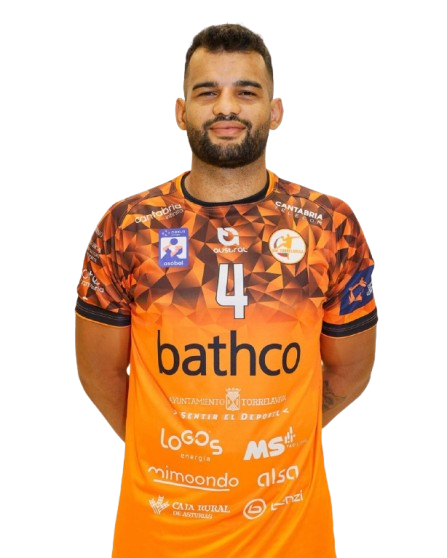

#4 SILVA Marcio
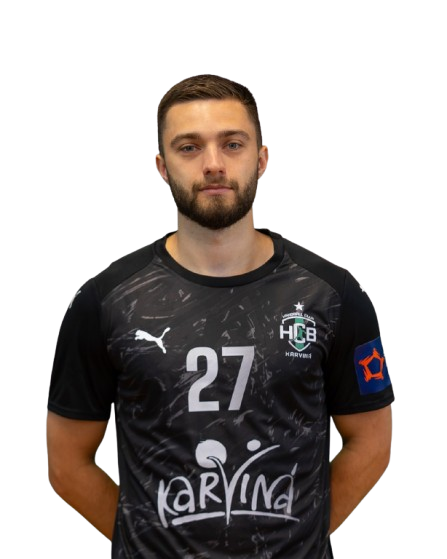

#27 HARABIŠ Denis
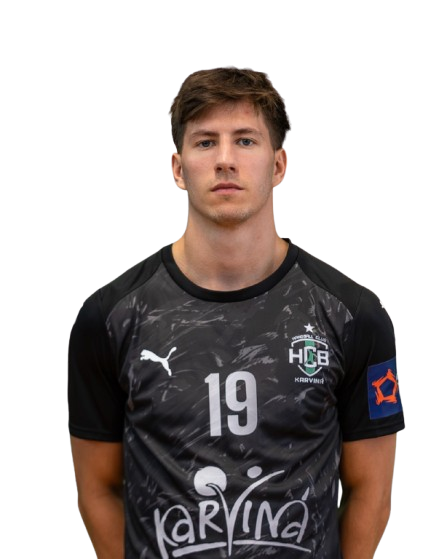

#19 PATZEL Jonas
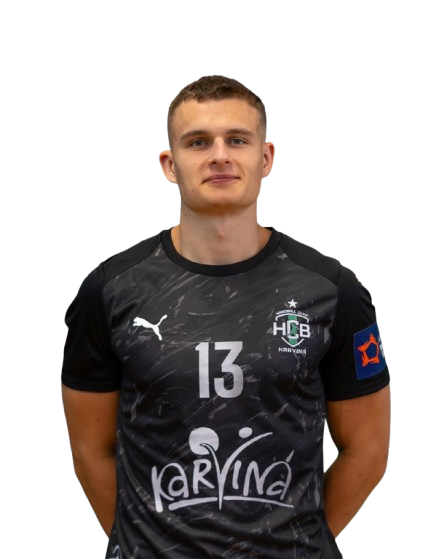

#13 PRAŠIVKA Vojtech
THE LAST LINE.


#16 LUAN DA ROSA Rangel
WHAT DECIDED THE GAME
The final one-goal margin reflects how competitive the match was, but the statistics reveal some important differences in how the two teams reached the final score. Torrelavega were significantly more efficient in front of goal. The Spanish side scored 33 goals from 49 shots for 67% efficiency, while Karviná needed 55 attempts to score their 32 goals, finishing at 58%. That difference was particularly important because Karviná actually generated six more shots. Torrelavega compensated by making considerably better use of their opportunities. The contrast was also visible between the two halves. Torrelavega maintained remarkably consistent shooting numbers, operating at 68% in the first half and 67% in the second. Karviná improved dramatically after the break, moving from just 52% in the first half to 64% in the second, which helps explain their late comeback. Goalkeeping gave Torrelavega another advantage. The hosts finished with 14 saves and a 30% team save rate, compared with nine saves and 21% for Karviná. Rangel Rosa and Saeid Barkhordari therefore provided Torrelavega with five more saves across the match. Possession management, however, favoured Karviná. The Czech side committed 12 turnovers compared with Torrelavega’s 14, contributing to their higher number of total shots. This helped Karviná remain competitive despite the difference in shooting and goalkeeping efficiency. Numerical situations also played a role. Torrelavega scored five powerplay goals, all of them in the second half, while Karviná finished with two. At the same time, Torrelavega managed to score four times while shorthanded during the first half, limiting the impact of their two-minute suspensions. Both teams were perfect from the seven-metre line: Torrelavega converted 5/5, with Javier Muñoz responsible for all five, while Karviná finished with 3/3. Ultimately, the match was decided by Torrelavega’s superior shooting efficiency and stronger goalkeeping performance. Karviná generated more attempts, committed fewer turnovers and produced an impressive second-half response, but Torrelavega extracted more value from each possession. The final minutes demonstrated just how small the margin was. Karviná recovered from 33–30 to 33–32 and came within one goal of completing the comeback, but the advantage Torrelavega had built through their efficiency across the previous 59 minutes proved just enough. One goal separated the teams, but Torrelavega’s ability to convert their opportunities more efficiently ultimately separated victory from a draw.