Boden Take a Two-Goal Advantage into the Second Leg
Boden Handboll defeated Atlético Guardés 30–28 in the first leg, taking a narrow two-goal advantage into the return match with the tie still completely open.



Atlético Guardés made the stronger start to the first leg and controlled the opening phase of the game. The Spanish side found good solutions in attack while Boden struggled to establish the same consistency, allowing Guardés to progressively create separation and build a four-goal advantage. The direction of the game, however, began to change as the first half progressed. Boden improved defensively and Sofie Börjesson became increasingly influential in goal. Those defensive stops allowed the Swedish side to play with greater speed and attack before the Guardés defence could become fully organised. Transition became one of the defining elements of Boden’s comeback. The Swedish side repeatedly transformed saves, turnovers and defensive actions into immediate attacking opportunities, using both counter attacks and fast attacks to change the rhythm of the game. This was particularly evident during the first half. Boden generated seven counter-attack opportunities before the break and converted six of them, while also scoring twice from fast attacks. That transition production played a major role in erasing Guardés’ early advantage and allowed the Swedish side to move ahead before halftime. The second half developed into a much more balanced contest. Boden were now playing from a stronger position and repeatedly established advantages of three and four goals, but Guardés continued to respond and prevented the home side from creating a decisive separation. The Spanish side also introduced another important tactical element through their use of the 7v6 attack. Guardés generated seven shots in 7v6 situations during the second half, converting four of them. This provided another route to goal and helped keep the deficit manageable as the game moved towards its decisive phase. Guardés remained within reach until the final minutes, but Boden protected their advantage and secured a 30–28 first-leg victory. In the context of a two-leg tie, however, the result represents an advantage rather than a conclusion. Boden will take a two-goal lead into the return match, while Guardés remain firmly in contention for qualification.
THE GAME, MOMENT BY MOMENT.
TEAM STATISTICS
Boden Handboll IFClub Balonmán Atlético GuardesSHOOTING PROFILE.
Boden Handboll IFSHOT MAP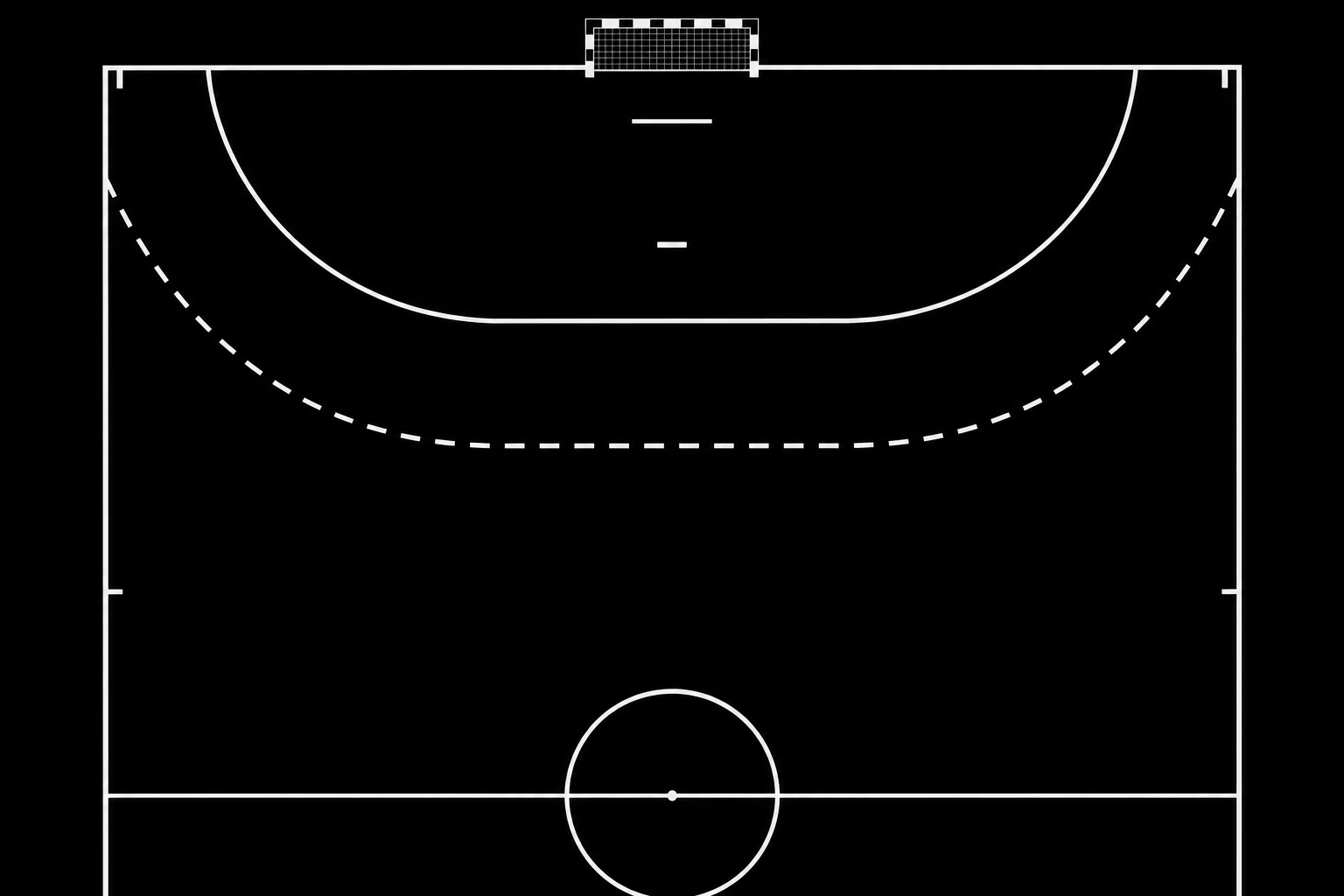
SHOOTING PROFILE
Club Balonmán Atlético GuardesSHOT MAPPLAYERS WHO SHAPED THE GAME.
Sofie Börjesson was one of the central figures in Boden’s victory. The goalkeeper recorded 19 saves and a 44% individual save rate, providing the defensive platform from which the Swedish side were able to develop their transition game. Isabelle Andersson combined scoring and creativity, finishing with six goals from eight shots for 75% efficiency while also providing four assists. Mia Lagumdzija added five goals from seven attempts (71%), while Lina Lützhøft converted four of her five shots for 80% efficiency. For Atlético Guardés, Rosane Serrano produced the standout scoring performance of the match. She finished with 11 goals from 14 attempts for 79% efficiency, accounting for a significant part of the Spanish side’s offensive production. Cecilia Cacheda delivered an equally important all-round performance. She was perfect in front of goal with five goals from five attempts and also provided seven assists, directly contributing to a large part of the Guardés attack. Blažka Hauptman added six goals from eight shots for 75% efficiency, while Sabina Mínguez made an important contribution in goal, recording five saves from 15 shots for a 42% save rate.
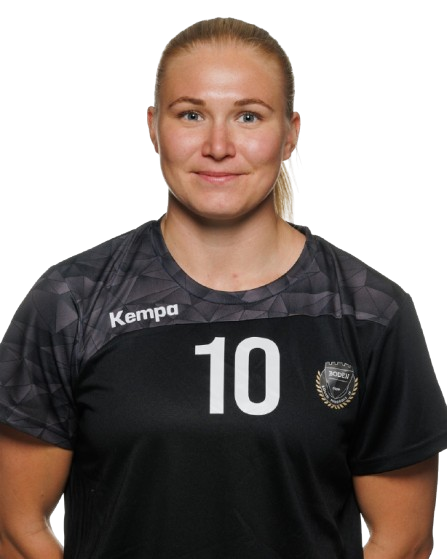

#10 ANDERSSON Isabelle
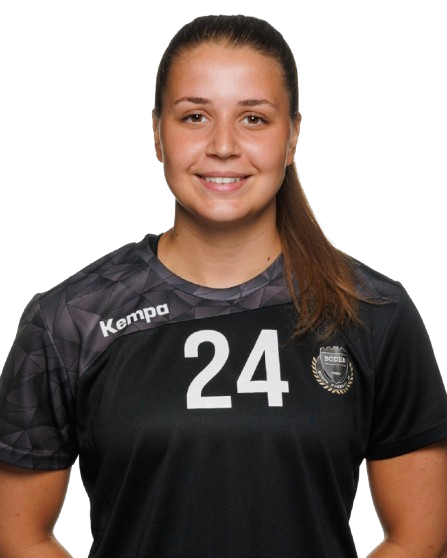

#24 LAGUMDZIJA Mia
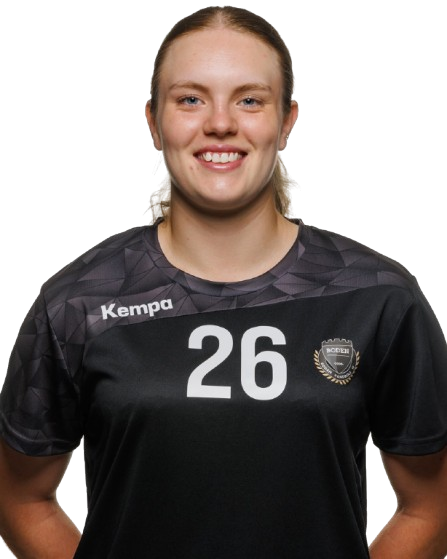

#26 LÜTZHØFT Lina
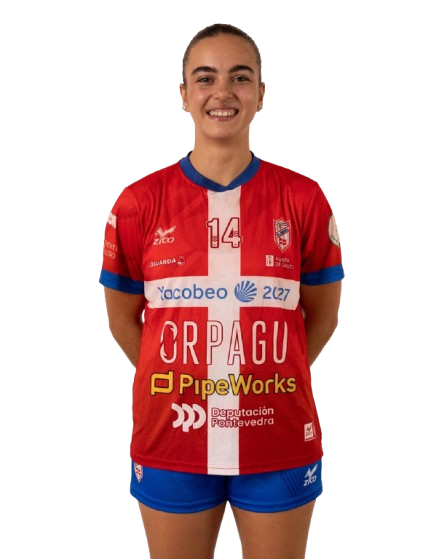

#14 SERRANO Rosane
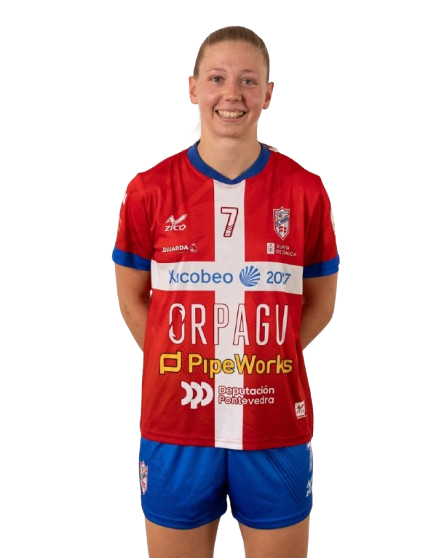

#7 HAUPTMAN Blazka


#11 CACHEDA Cecilia
THE LAST LINE.
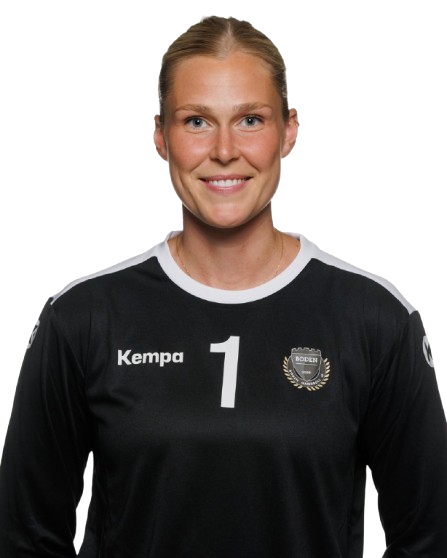

#1 BÖRJESSON Sofie
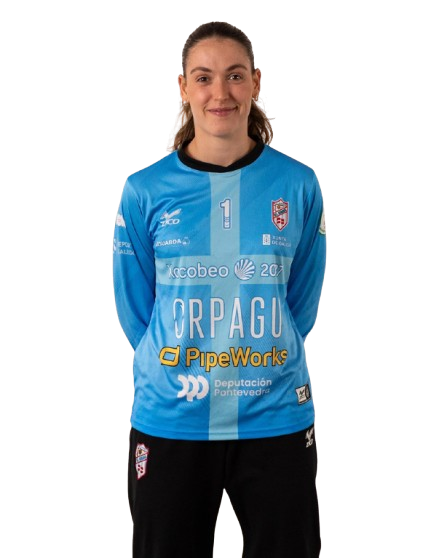

#1 MÍNGUEZ Sabina
WHAT DECIDED THE GAME
The two-goal difference in the first leg was built through some clear statistical and tactical contrasts. Boden finished with the higher overall shooting efficiency, converting 30 of their 48 shots (63%), compared with Guardés’ 28 goals from 51 attempts (55%). Despite taking three fewer shots, the Swedish side scored two more goals. Transition was one of the clearest differences between the teams. Boden finished the match with seven goals from eight counter attacks, while Guardés did not register a counter-attack attempt. The Swedish side also converted five of their six fast attacks, compared with three goals from four for Guardés. Combined, Boden therefore scored 12 goals from counter attacks and fast attacks. This was particularly significant because it allowed them to create high-quality opportunities without having to rely exclusively on organised positional attack. Goalkeeping provided another important advantage. Boden finished with 19 saves and a 40% team save rate, compared with 11 saves and 27% for Guardés. Börjesson’s individual 44% performance was especially influential, with her saves frequently becoming the starting point for Boden’s faster offensive phases. Guardés, however, had significant advantages of their own. The Spanish side were perfect from seven metres, converting 10/10, while Boden scored only three of their six attempts. Guardés also found success with their second-half 7v6 attack, scoring four times from seven attempts. These elements, together with the offensive production of Serrano, Cacheda and Hauptman, prevented Boden from turning their stronger goalkeeping and transition numbers into a more substantial advantage. Boden ultimately won the first leg through a combination of stronger goalkeeping, higher shooting efficiency and significantly greater production in transition. But the 30–28 scoreline leaves little margin for error. The Swedish side take a two-goal advantage into the second leg, while Guardés remain within one possession of completely changing the balance of the tie. The first game provided an advantage, but not a decision — the qualification remains wide open.